
round light up mirror
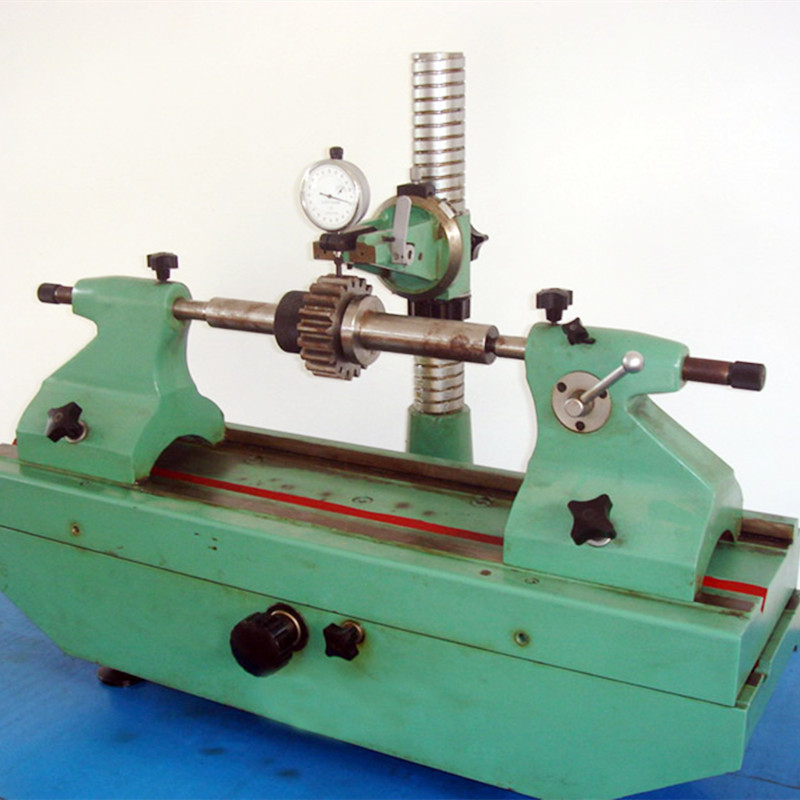
Surface Plate Calibration Ensuring Precision in Manufacturing In the realm of precision engineering and manufacturing, the surface plate calibration stands as a cornerstone for maintaining accuracy in measurement and machining processes. This meticulous procedure ensures that the reference surfaces used in various industrial applications are true to their intended flatness, parallelism, and squareness, ultimately guaranteeing the high quality of finished products. The process of surface plate calibration involves a series of steps designed to verify and correct any deviations from flatness that may have occurred over time or due to environmental factors such as temperature changes, vibration, or mishandling. Technicians typically employ specialized instruments like autocollimators, electronic levels, and laser interferometers to map the topography of the plate's surface and identify any high or low spots. One common method is the reversal technique, where the measuring instrument is placed on the plate and then both the instrument and the plate are rotated 180 degrees. Any deviations detected are then averaged out, providing a clearer indication of the plate's actual flatness. Additionally, crossing levels at 90-degree angles can determine the plate’s squareness, while parallelism is checked by comparing measurements taken across opposite sides of the plate. The importance of surface plate calibration cannot be overstated, as even minor discrepancies can lead to significant errors in the manufacturing process. For instance, if a surface plate used for machining operations is not accurately calibrated, it can result in misaligned parts or assemblies, affecting the product's performance and durability For instance, if a surface plate used for machining operations is not accurately calibrated, it can result in misaligned parts or assemblies, affecting the product's performance and durability For instance, if a surface plate used for machining operations is not accurately calibrated, it can result in misaligned parts or assemblies, affecting the product's performance and durability For instance, if a surface plate used for machining operations is not accurately calibrated, it can result in misaligned parts or assemblies, affecting the product's performance and durability surface plate calibration . In industries where exacting standards are paramount, such as aerospace and microelectronics, these inaccuracies can have catastrophic consequences. Moreover, regular calibration serves a preventive function by identifying wear and tear before it becomes a critical issue. By catching imperfections early, maintenance can be scheduled proactively, avoiding costly downtime and extending the lifespan of the equipment. It also supports continuous improvement initiatives by offering data-driven insights into the working conditions of machinery and the environment they operate in. In conclusion, surface plate calibration is an essential practice within the manufacturing sector, ensuring that tools and components meet stringent quality standards. Through precise measurement and correction, this process safeguards against inaccuracies that could compromise the integrity of end products. As technology advances and tolerances tighten, the art of surface plate calibration remains a vital skill, preserving the delicate balance between precision and performance in the world of manufacturing.
about
round light up mirror
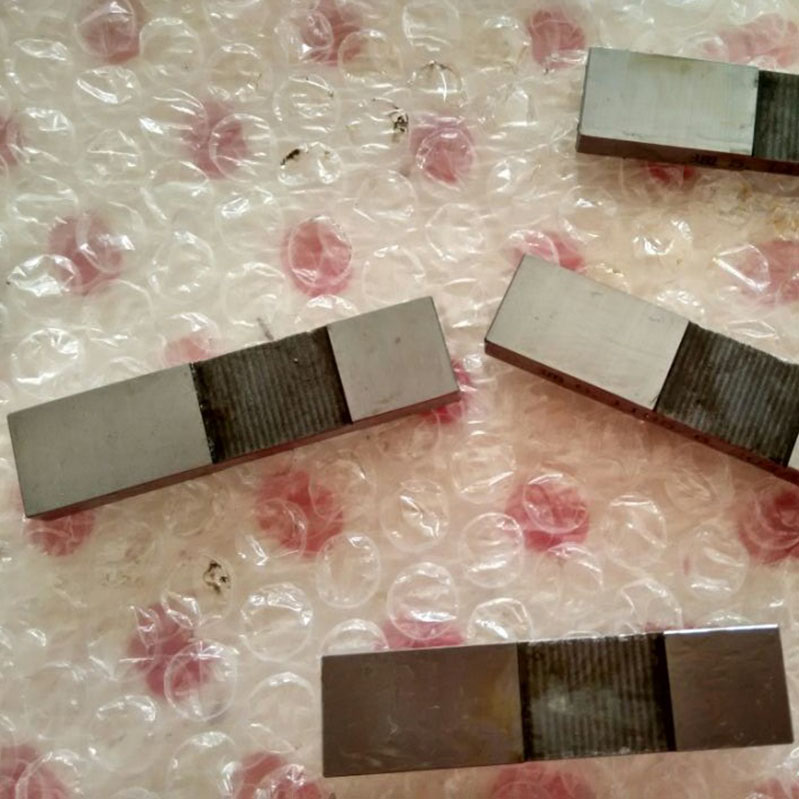
Understanding Thread Plug Gauges G and H Classes Understanding Thread Plug Gauges G and H Classes The primary function of a thread plug gauge is to verify the acceptability of external and internal threads. The G class gauges are designed for the functional limits of the thread, ensuring that the part can engage correctly with a corresponding threaded component. Typically, G class gauges are utilized for testing threads that require a higher level of precision and are often employed in production environments where maintaining tight tolerances is essential. These gauges help in ensuring that the parts not only fit together but also function effectively under various loading conditions. thread plug gauge g and h On the other hand, H class gauges are designed with a more lenient tolerance compared to G class gauges. They are used for inspecting threads that do not require as stringent specifications, making them ideal for applications where some degree of variability is acceptable. H class gauges are typically utilized in large-scale production where quick measurements are paramount, and precise fitting is not as critical. They serve to ensure that parts can still be assembled without issues, even if they may not meet the tighter tolerances dictated by G class gauges. When choosing between G and H class thread plug gauges, a manufacturer must consider factors such as the intended application, operational environment, and necessary precision levels. For instance, in aerospace or medical device manufacturing, where safety and reliability are paramount, G class gauges are often preferred. Conversely, in less critical applications, such as general manufacturing or automotive production where speed and cost-efficiency are prioritized, H class gauges may suffice. In conclusion, both G and H class thread plug gauges serve vital roles in maintaining quality standards in threaded components. By ensuring that parts meet the necessary tolerances, manufacturers can minimize defects, enhance assembly processes, and ultimately deliver higher-quality products. Understanding the distinctions between these gauge classes allows for better selection based on specific project requirements, contributing to improved efficiency and effectiveness in production environments.
-

High quality industrial productsagement

High quality industrial products
View Details -

Meet the diverse needs of customers

Meet the diverse needs of customers
View Details -

Strict quality control

Strict quality control
View Details -

Top raw materials

Top raw materials
View Details -

Trusted supplier

Trusted supplier
View Details
Our application


news and information
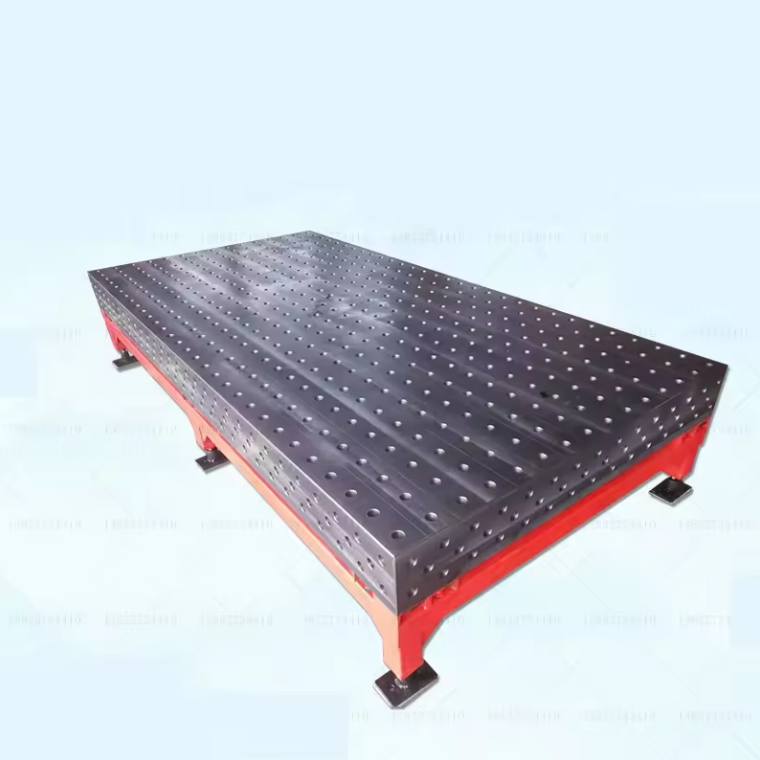
Versatile Welding Table Clamps for Efficient Work and Strong Joints in Metal Projects
Enhancing Your Welding Experience with 5% 208% Welding Table Clamps Welding is a precise art that re
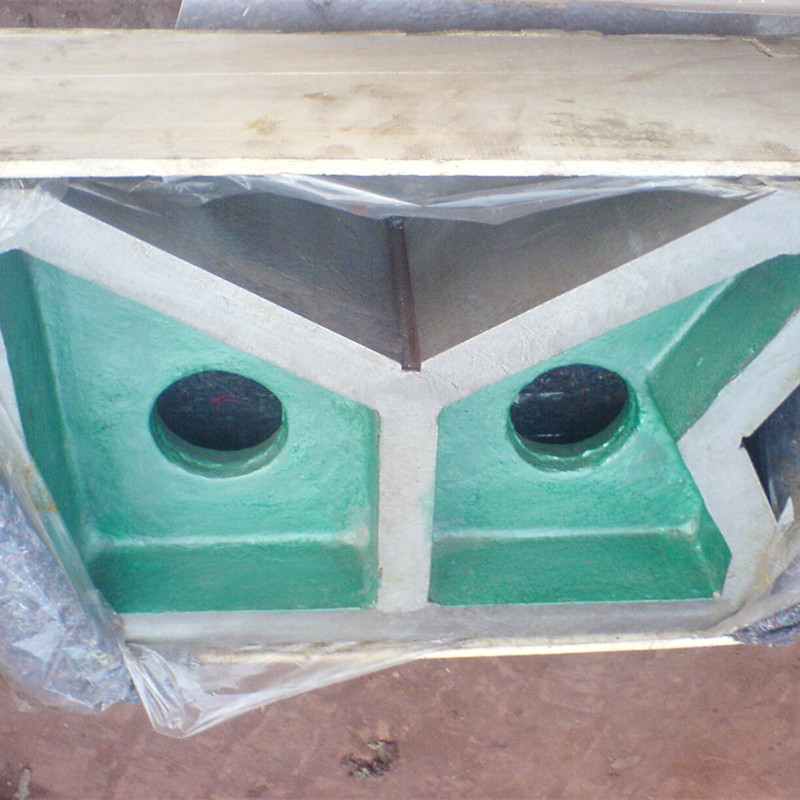
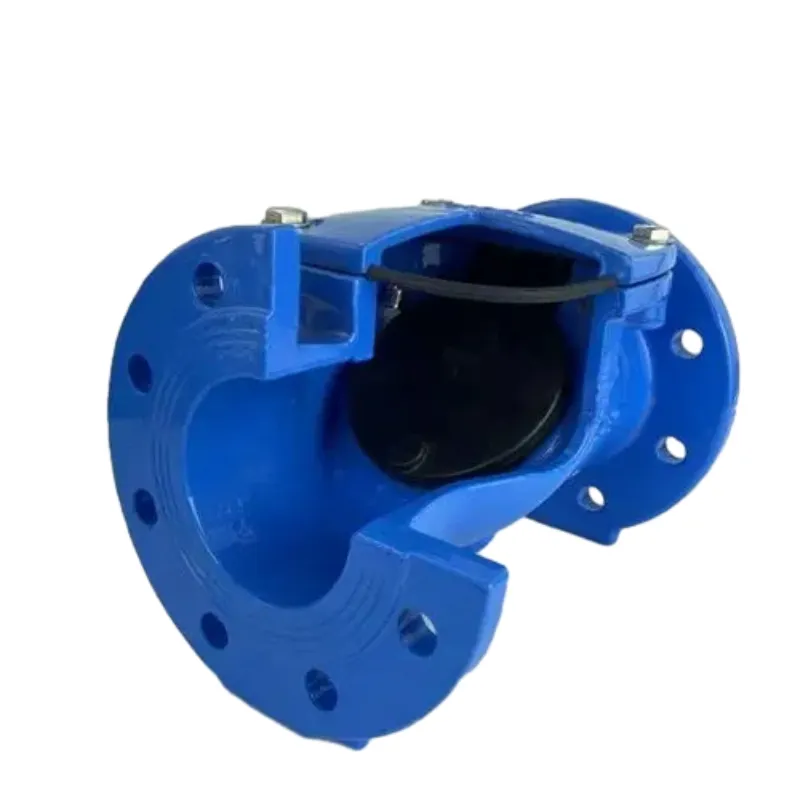
Y-Type Strainer Featuring a Convenient Drain Valve for Efficient Filtration Solutions
Understanding the Y-Type Strainer with Drain Valve Essential for Efficient Fluid Management In vario
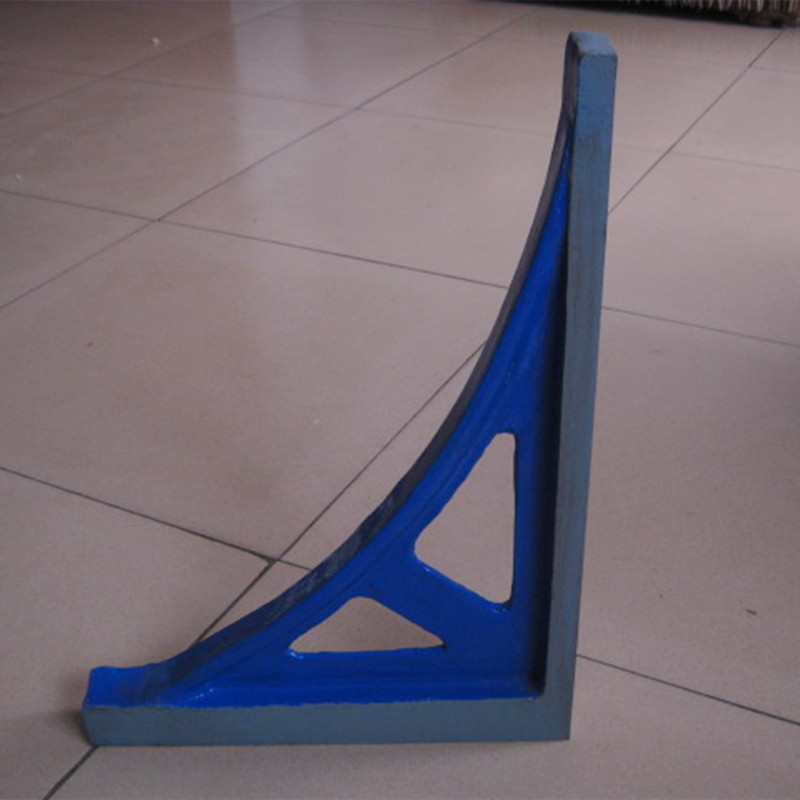
y Siebdampfabscheider
Der Y-Strainer ist ein wichtiges Bauteil in der industriellen Prozessindustrie, insbesondere in Damp
 English